Sorry for What My Face Said: A Versatile T-Shirt Design
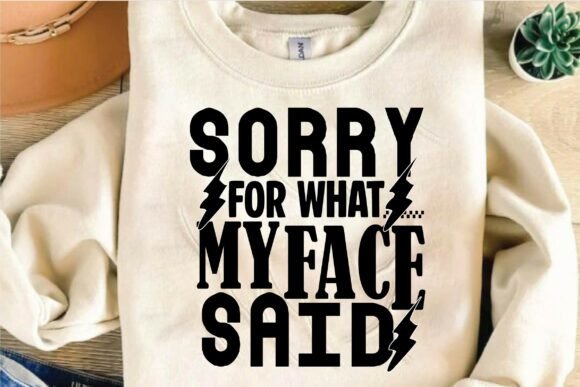
As a seasoned graphic designer, I recently came across the Sorry for What My Face Said SVG Design and was immediately intrigued by its bold and quirky appeal. This design asset is not just a playful statement; it's a versatile tool that can add a unique touch to a variety of projects.
First Impressions and Visual Mood
The Sorry for What My Face Said SVG Design exudes a casual, humorous vibe, perfect for brands or products that want to connect with a younger, more relaxed audience. The design feels modern and relatable, making it an excellent choice for t-shirt designs, social media graphics, and other creative merchandise.
Fitting into Brand Identity and Marketing Visuals
For a small business or handmade brand, this design can serve as a standout element in a broader visual identity. It could be a key component in a campaign that embraces authenticity and humor. Imagine using it on a t-shirt line, where it would instantly catch the eye and spark conversation. The design's informal tone also makes it suitable for social media posts, where it can engage followers with its cheeky message.
Performance in Real Design Situations
In practical design scenarios, the Sorry for What My Face Said SVG Design performs exceptionally well in large layout areas, such as hero graphics or product mockups. Its bold and clear message makes it ideal for t-shirts, mugs, and tote bags. For digital applications, it can be used in web banners, blog visuals, and social media posts to add a touch of personality and humor.
Where It Works Best
- Large Layout Areas: Perfect for t-shirt designs, posters, and website headers.
- Hero Graphics: Use it as a focal point in marketing campaigns or product launches.
- Merchandise: Ideal for creating engaging and memorable products like mugs, tote bags, and stickers.
- Social Media Posts: Add a fun and relatable element to Instagram, Facebook, and Twitter content.
Use with Caution
While the Sorry for What My Face Said SVG Design is highly versatile, it should be used carefully in certain contexts. For instance, it may not be the best fit for minimalist branding or professional corporate materials, where a cleaner, more straightforward visual hierarchy is preferred. Additionally, it might not work well in small sizes or crowded layouts, where the message could get lost or appear cluttered.
Practical Designer Notes
Before integrating this design into a client project, here are some practical tips to ensure it meets the desired quality and impact:
- Test in Black and White: Check how the design holds up without color to ensure it has strong visual integrity.
- Check Contrast: Verify that the design maintains good visibility on both light and dark backgrounds.
- Preview at Different Sizes: Ensure it looks good both in small and large formats to cover a range of applications.
- Place on Real Mockups: See how it looks on actual products like t-shirts, mugs, and tote bags to gauge its real-world appeal.
- Test Print Quality: Confirm that the design prints well, especially at 300 dpi, to ensure high-quality output.
- Review File Formats: Make sure all necessary formats (AI, PDF, SVG, JPG, PNG) are included and organized neatly in folders.
- Inspect PNG Transparency: If included, check that the transparency is clean and professional.
- Check Editability: If using the SVG format, ensure it is fully editable and compatible with your design software.
- Compare Font Styles: Test the design with different font styles (serif, sans serif, script, handwritten, display) to see which complements it best.
- Confirm Commercial Licensing: Always verify that the design is licensed for commercial use before incorporating it into client projects.
Conclusion
The Sorry for What My Face Said SVG Design is a valuable addition to any designer's toolkit, especially for those working with small businesses, handmade brands, or creative marketplaces. Its versatility and playful nature make it a standout choice for a wide range of design projects, from t-shirts and merchandise to social media graphics and editorial design. By following these practical tips, you can ensure that this design asset enhances your client's visual identity and engages their audience effectively.